

Acupuncture Is More Common Than You May Think: 4 Surprising Statistics and Uplifting Insights
June 18, 2024
Acupuncture for Quitting Smoking: Evidence and Questions
June 24, 2024
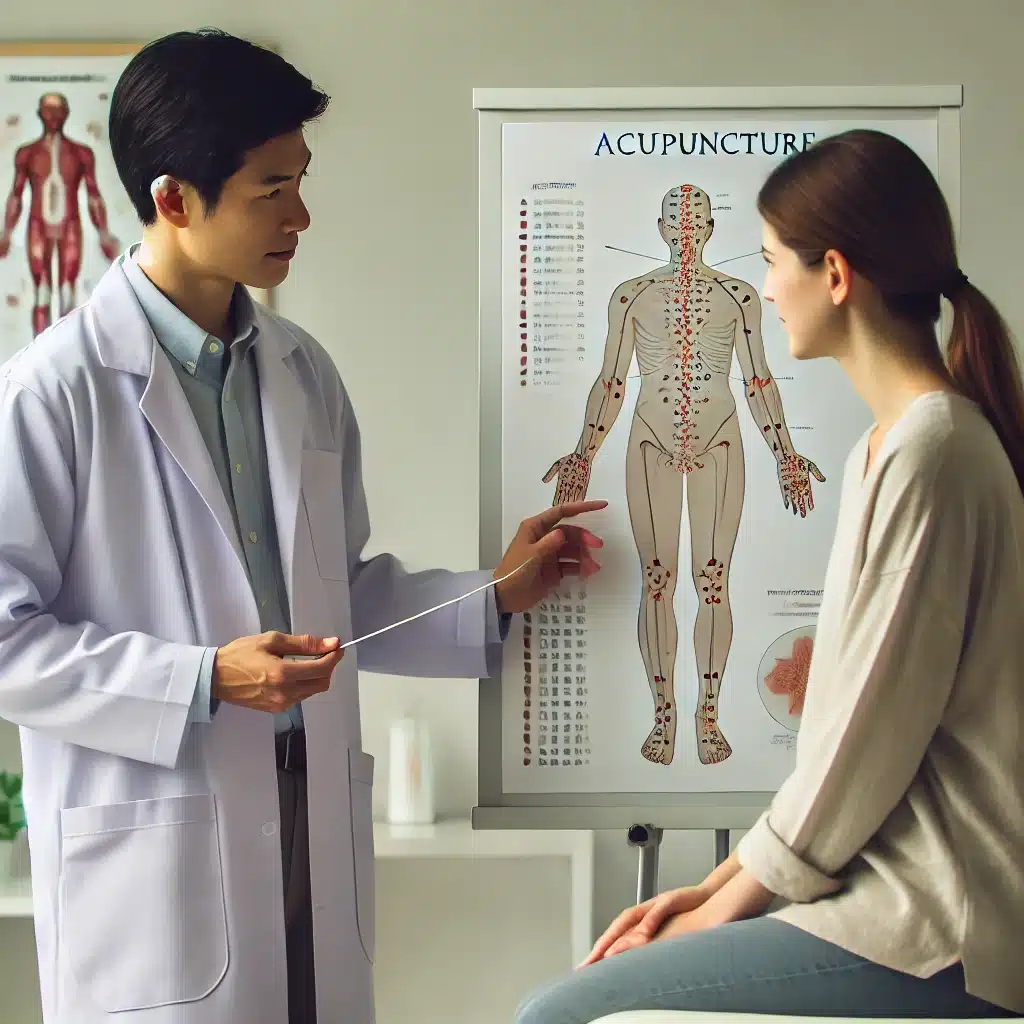
Acupuncture uses fine needles inserted into the skin. Before trying it, ask what benefit is reasonable for your particular condition, what the alternatives are and how progress will be evaluated. Results vary, and evidence for one condition does not establish effectiveness for another.
1. What are the needles and sensations like?
Acupuncture needles are fine needles, and the FDA requires needles used in acupuncture to be sterile and labeled for single use. Sensations differ between people and treatment sites. Tell the practitioner if insertion or treatment is painful; you do not need to tolerate significant pain to obtain a benefit. Ask what to expect before treatment begins.
2. What can acupuncture reasonably help?
Research suggests acupuncture may help some pain conditions, including back or neck pain, knee osteoarthritis pain and some headaches. The size of the benefit and certainty of the evidence vary. It should not be presented as a cure for every pain condition or as a general replacement for medical or mental-health care.
Traditional explanations describe qi and meridians. These are traditional concepts, not established anatomical proof of how acupuncture works. Scientific mechanisms are not fully understood; nervous-system effects, local tissue effects and the treatment context may all contribute. You do not need to adopt a particular belief system, but a positive attitude is not a guarantee of results.
For a condition-by-condition summary, see NCCIH’s acupuncture evidence and safety review.
3. What safety questions should I ask?
Ask about qualifications, sterile single-use needles, the proposed technique and possible adverse effects. Improper technique or nonsterile needles can cause infections and other serious injuries. Share your medication list, relevant medical conditions and any pregnancy. Acupuncture should not delay evaluation of a new or worsening symptom.
Discuss benefits, risks, costs and the point at which you will reassess the plan. Herbal products are separate from acupuncture and can have side effects or interactions. Do not stop prescribed treatment without speaking with the clinician managing it.
What about fertility and prenatal care?
Acupuncture should not be advertised as a proven way to improve IVF success. NCCIH summarizes a review that found no difference between acupuncture and sham acupuncture in pregnancy or live-birth rates during IVF. Fertility concerns deserve assessment by a qualified medical clinician.
If you are pregnant, discuss any complementary treatment with your prenatal clinician and a practitioner experienced in pregnancy care. Acupuncture does not replace prenatal visits, obstetric assessment or a medical plan for labor and delivery.
Ask about an appointment in Charlotte
Contact Beyond Wellness at 704-461-1836 or admin@beyondwellnesscc.com for acupuncture appointment questions. Ask whether the proposed care is appropriate for your condition and what other evaluation may be needed.