
Sleep apnea can affect alertness and driving safety. A DOT medical examination evaluates whether a driver meets the applicable physical qualification standards; it is not a substitute for sleep-apnea diagnosis or ongoing treatment.
A diagnosis does not automatically disqualify a driver. Untreated or inadequately treated disease that interferes with safe driving can affect certification. Discuss symptoms and treatment records with your medical examiner and treating clinician. See FMCSA’s information about sleep apnea and driving.
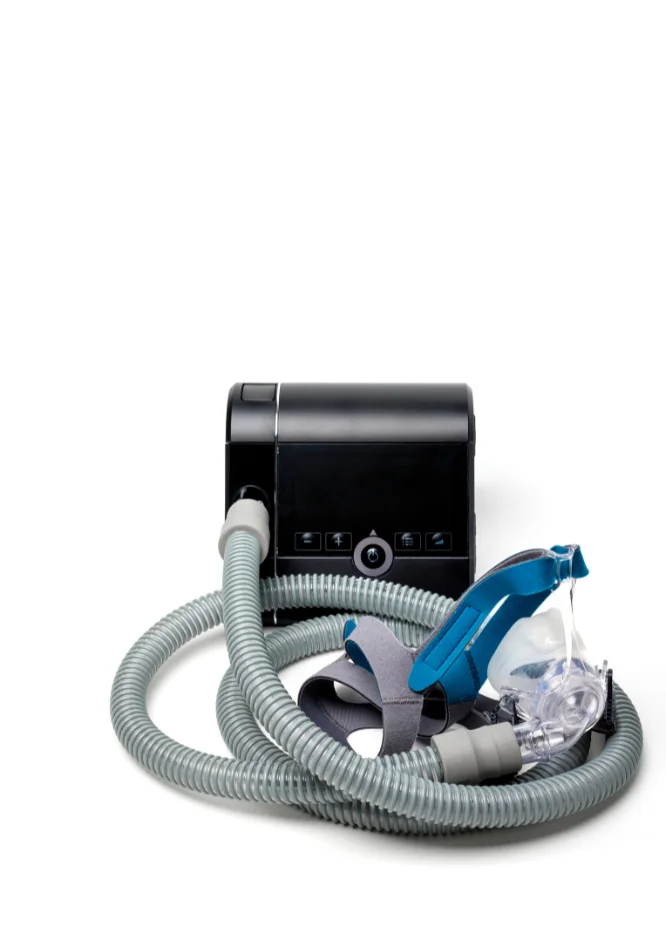
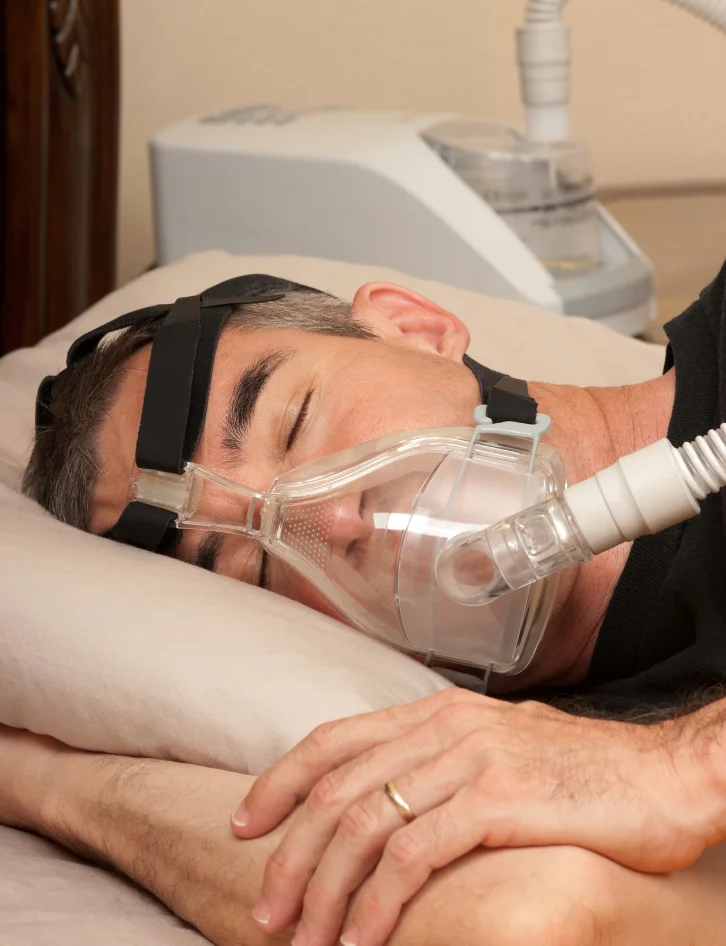

Sleep apnea is a common sleep disorder that interrupts breathing during sleep, potentially causing serious health issues if untreated. The two main types are obstructive sleep apnea (OSA), caused by throat muscle relaxation, and central sleep apnea (CSA), due to the brain failing to control breathing.
Symptoms include loud snoring, gasping, excessive daytime sleepiness, and irritability. Risk factors include obesity, smoking, alcohol use, and medical conditions like high blood pressure or diabetes.
Untreated sleep apnea can lead to heart disease, stroke, and other complications. Treatments range from lifestyle changes and CPAP machines to oral appliances and surgery. Early diagnosis and treatment greatly improve quality of life.
For drivers subject to DOT medical-certification requirements, the examiner reviews health history and findings relevant to safe commercial driving. Sleep symptoms, daytime sleepiness and treatment effectiveness can matter. The examiner may request additional evaluation or records before making a decision.
Continue sleep-apnea care with your treating clinician. The DOT exam assesses medical qualification; it does not replace regular clinical follow-up or guarantee that a condition is controlled.
For a DOT physical at Beyond Wellness in Charlotte, call 704-461-1836 or email admin@beyondwellnesscc.com. Ask which sleep-study results, treatment reports or clinician notes the examiner needs before your visit.
The DOT physical costs $85; drug testing is an additional $85. A sleep study or specialist consultation is a separate evaluation when needed. Choose your appointment type.
A DOT physical for sleep apnea ensures drivers are fit to operate commercial vehicles safely. Examiners assess for medical conditions that could pose risks on the road.
The process includes a detailed medical history, a physical exam, and questions about sleep apnea symptoms like snoring or daytime sleepiness. Previous treatments, such as CPAP use, may also be discussed.
If necessary, a sleep study might be conducted using a sleep lab or portable monitor. Drivers diagnosed with sleep apnea may need treatment and proof of compliance.
Honesty and adherence to treatment are key to completing the certification process and maintaining road safety.
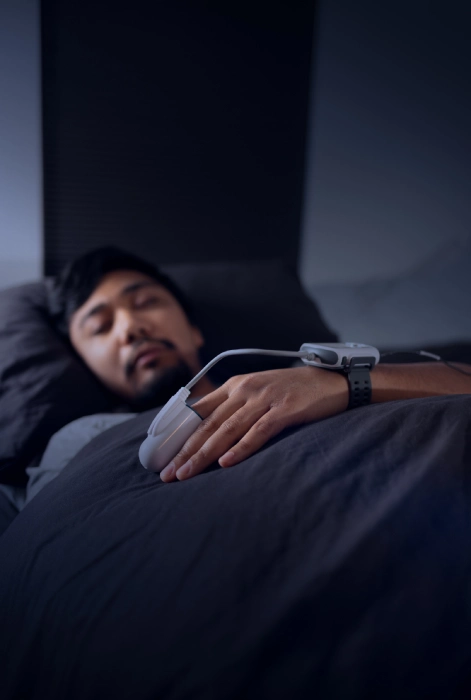
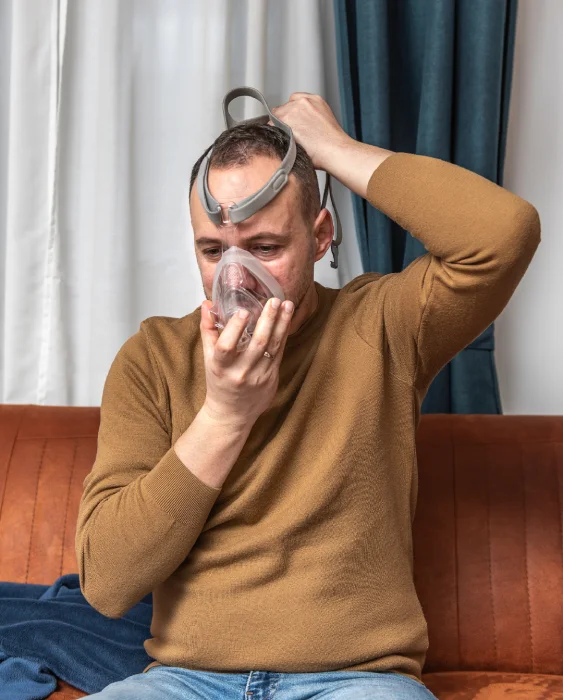
Prepare for the examination by gathering relevant records and discussing treatment questions with your clinician. Preparation supports a complete assessment but cannot guarantee a medical certificate.
Getting enough sleep is crucial before your DOT physical exam. It will help you feel more alert and focused during the exam. Sleep apnea can be a disqualifying condition for commercial drivers, so it is essential to manage your sleep apnea if you have it.
Bring all relevant medical records to your DOT physical exam. This includes any previous sleep studies, doctor’s notes, or medication lists. This information will help the medical examiner determine if you are fit to drive.
Drinking plenty of water before your DOT physical exam will help you stay hydrated and alert. It will also make it easier for the medical examiner to draw blood or take a urine sample if necessary.
Avoid consuming any stimulants before your DOT physical exam. This includes caffeine, nicotine, and energy drinks. Stimulants can raise your blood pressure and heart rate, which could affect your exam results.
Wear clothing that allows comfortable movement during the examination. Bring requested records and answer the examiner’s questions accurately. Certification depends on the medical findings and applicable standards, not on preparation tips alone.
For North Carolina CDL/CLP drivers who require medical certification, the medical examiner transmits results electronically through the National Registry. Do not rely on mailing a card to an address on its back. CDL self-certification is a separate step. Non-CDL drivers have different paper-certificate responsibilities. See our NC medical-certificate and NRII guide and NCDMV instructions.
A North Carolina DOT physical typically consists of a medical examination, vision test, hearing test, and urine test. The medical examination will include a review of your medical history, as well as an evaluation of your current health status.
Your medical examiner reports the examination results to FMCSA. For applicable North Carolina CDL/CLP drivers, medical-certification information reaches NCDMV electronically. Keep your self-certification current and ask the examiner to confirm transmission. See the NC reporting guide for the distinction between CDL/CLP and non-CDL drivers.
There is no separate universal sleep-apnea “pass” checklist. The medical examiner applies the relevant physical qualification standards and reviews the individual’s symptoms, treatment and ability to drive safely. Further evaluation or documentation may be needed. An examination may result in certification, a shorter certificate, a pending determination, or a finding that the driver is not qualified.
Sleep apnea alone may not disqualify you from passing a DOT physical. However, if your sleep apnea is severe and not well-controlled, it may impact your ability to safely operate a commercial vehicle.
FMCSA regulations do not prescribe one universal CPAP-use threshold or OSA-specific waiting period. The examiner evaluates whether treatment is adequate, effective, safe and stable and may request treatment records. An office documentation request or employer policy is not itself a federal regulation. Follow your treating clinician’s prescribed treatment and ask the examiner which records to bring. See FMCSA’s 2024 handbook, section 4.8.3.6.