
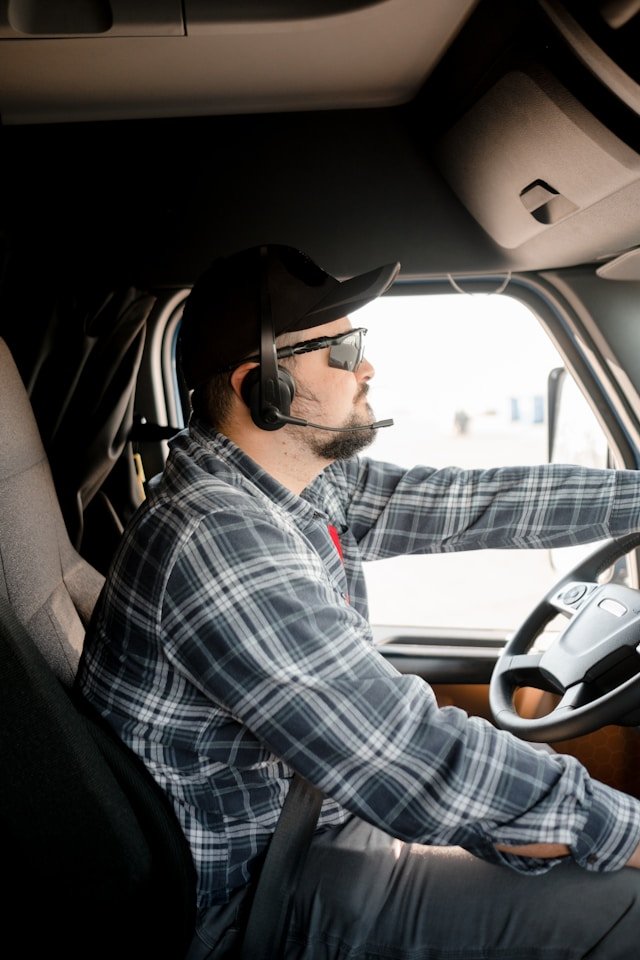

A DOT medical card is another name for the Medical Examiner’s Certificate (MCSA-5876). It records a medical examiner’s determination that a driver meets the applicable physical qualification standards.
Whether you need medical certification depends on your type of commercial driving. North Carolina requires medical certification for non-excepted interstate and non-excepted intrastate CDL/CLP drivers. Certain non-CDL commercial drivers also need certification under federal or state rules.
For eligible CDL/CLP drivers, North Carolina now receives certification information electronically through NRII. A paper copy remains useful, but it does not replace checking the state record. Our NC medical certificate and NRII guide explains what happens after your exam.
A DOT physical exam evaluates whether a commercial driver meets the applicable medical qualification standards. A federally required exam must be performed by a medical examiner on the FMCSA National Registry.
The examiner reviews your medical history and medications and checks vision, hearing, blood pressure, and other aspects of your health. The examination also includes urinalysis. A DOT drug test is a separate service and is not automatically included in the physical.
Certification depends on the examination findings and any required supporting information. The examiner may request additional records before making a determination. An appointment does not guarantee certification or a particular certification period.


Medical certification helps determine whether a driver can safely perform commercial-driving duties. If your category of driving requires certification, keep it current and address any follow-up requested by the examiner.
A CDL or CLP and medical certification serve different purposes. Some commercial-driving categories are excepted from medical-certification requirements; other drivers, including some who do not need a CDL, must meet medical qualification rules. Check the NCDMV commercial-driver requirements for your category.
Bring your driver’s license, an accurate medication list, and relevant medical records to your appointment. Complete the health-history questions honestly and discuss any conditions or treatments with the examiner.
The examiner reviews your history, performs the required examination, and decides whether you meet the applicable standards. Additional information or evaluation may be needed. Ask what follow-up is necessary before leaving the office.
A DOT physical includes a medical-history review, a physical examination, and required checks documented on FMCSA’s examination form. These include:
The examiner considers all findings together and may request additional records or evaluation. Urinalysis during the physical is not the same as a separate DOT drug test.
Beyond Wellness Chiropractic Center provides DOT physicals in Charlotte, North Carolina. The DOT physical costs $85. A drug test is an additional $85 when needed.
Book an appointment online or call 704-461-1836 for availability and directions. For general office questions, email admin@beyondwellnesscc.com.
Bring your driver’s license, a list of your medications and doses, and relevant records from your treating clinicians. Bring glasses, contact lenses, or hearing aids if you use them.
If you have a condition that requires supporting documentation, contact the office before your visit to confirm what to bring. Continue your prescribed treatment and discuss medication questions with your treating clinician. Accurate records help the examiner make an informed decision; preparation does not guarantee certification.
When you arrive for your physical in Charlotte, you can expect to undergo a thorough medical examination. The medical exam will be conducted by a certified examiner who will evaluate your overall health and fitness to operate a commercial motor vehicle. Here’s what you can expect during your DOT physical:
Your visit begins with a review of your health history, current medications, and relevant medical records. Answer the questions accurately, including any past examination results and changes in your health.
The examiner will discuss the information you provide and perform the required checks. Tell the examiner about corrective lenses, hearing aids, and any treatment or monitoring you use so the evaluation reflects your usual needs.
The examiner reviews your medical history and performs the physical examination, vision and hearing checks, and blood pressure and pulse measurements. A urine sample is checked for findings such as glucose, protein, and blood. This routine urinalysis is separate from DOT drug and alcohol testing.
The examiner records the results on the Medical Examination Report (MCSA-5875). This detailed medical report is different from the Medical Examiner’s Certificate (MCSA-5876).
When a driver qualifies, certification can be for up to 24 months, but a shorter period or further evaluation may be required. Follow the expiration date and restrictions determined by your examiner.
Ask your examiner about the result, any follow-up, and your certification expiration date. For federally required examinations, the examiner must report results to FMCSA’s National Registry by midnight local time on the next calendar day after the examination is completed, including unqualified results.
For eligible CDL/CLP drivers, FMCSA transmits certification information to the licensing state. North Carolina no longer accepts these certificates directly from drivers. Confirm successful transmission with the examiner and check that your state record is current; electronic submission does not guarantee immediate state posting.
Keep a paper certificate copy for your records. Federally covered non-CDL drivers must carry their certificate while on duty. CDL/CLP drivers should follow current FMCSA paper-copy recommendations and any applicable temporary exception described in our NC DOT medical certificate and NRII guide.
North Carolina’s CDL-MED-1 self-certification is a separate requirement. If information is missing or incorrect, contact the examiner for an examination-report correction and NCDMV for state licensing questions.