
Considering acupuncture in Charlotte? This guide explains the approach, evidence limits, safety questions and how to discuss it alongside your existing care. Benefits depend on the condition being treated and vary between people.

Acupuncture is an alternative medicine technique with a rich history dating back thousands of years. It involves the insertion of thin needles into specific points on the body, known as acupuncture points, to treat various health conditions. In fact, millions of acupuncture treatments, including medical acupuncture, are administered each year, from China to the United Kingdom.
While the insertion of needles may seem painful to some, skilled acupuncture practitioners are key in managing any associated discomfort.
At the heart of acupuncture lies the concept of “qi” (pronounced “chee”) and meridians, which are pathways that energy flows through in the body. Traditional Chinese medicine posits that imbalances in this energy flow can lead to illness, and acupuncture aims to restore this balance by stimulating specific points on the body.
This energy-focused approach to health and healing has been practiced for centuries, with its origins in China and widespread adoption in countries like Korea.
Acupuncture points serve as the foundation for treatment, as these specific locations on the body are targeted to stimulate and balance the flow of energy. Each point is connected to other points through energy pathways known as meridians, which are believed to be linked to various organs and systems in the body.
The sensation of “de-qi” is often associated with acupuncture, as patients may experience numbness or tingling at the needling site.

In manual acupuncture, a practitioner may gently move or rotate inserted needles. Ask what the technique involves, what sensations to expect and how to signal discomfort. A technique’s traditional explanation does not establish its effectiveness for every condition.
Electroacupuncture applies electrical stimulation through needles. It requires an individual safety assessment. Tell the practitioner about implanted electronic devices, pregnancy, medications and other medical conditions before any treatment is considered. Ask whether this technique is appropriate and available for your situation.
Auricular acupuncture focuses on the ear, with the belief that specific points on the ear correspond to various organs and systems in the body. Stimulation of these points through auricular acupuncture seeks to bring the body back to balance and mitigate symptoms.
This technique has been employed to address various health concerns, such as chronic pain, mental health issues, and women’s health.

Evidence varies by condition. Acupuncture may help some pain conditions, but a benefit for one diagnosis does not establish a benefit for another. Review the NCCIH condition-by-condition evidence summary and discuss realistic goals with your treating clinician.


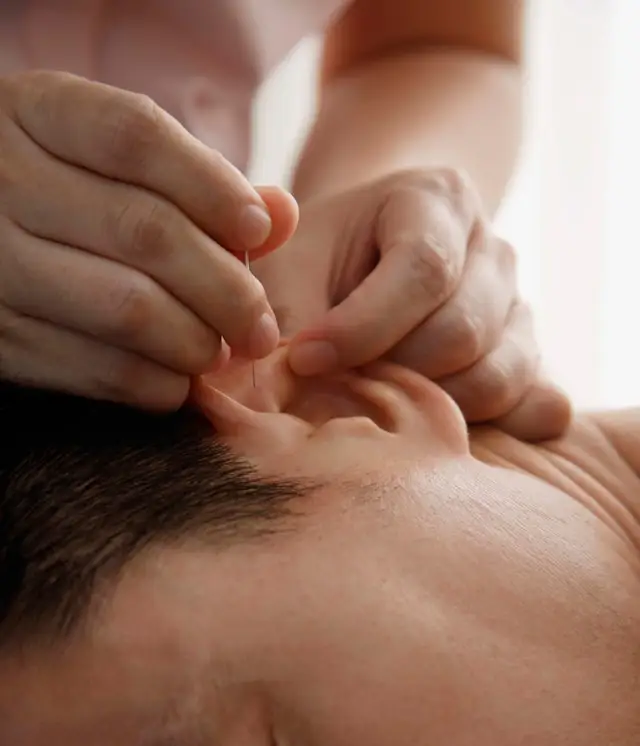
Researchers study how acupuncture interacts with nerves, tissues and the broader treatment experience. Mechanisms remain incompletely understood. Patient decisions should rely on clinical outcomes for the relevant condition, rather than a mechanism alone.
Research explores possible changes in pain processing and nervous-system activity. Such findings help generate explanations, but do not show that acupuncture restores every body system or reliably treats every condition. Ask how the clinical evidence applies to your symptoms.
Placebo effects may play a role in acupuncture’s perceived benefits, as patients’ expectations can influence their experiences. The behaviors and rituals associated with acupuncture treatment, such as the patient’s expectations of the treatment and the practitioner’s attitude, can contribute to the placebo effect.
While some studies have suggested that placebo effects in acupuncture may be significant, others have found these effects to be negligible.
The comparison depends on the diagnosis, specific treatment, outcome and follow-up period. Acupuncture should not be described as universally more effective or safer than medication. Ask about the options relevant to your condition, their benefits and risks, and how they fit your medical care.

When acupuncture is used alongside medical care, coordination matters. Tell each clinician about your treatments, medicines and supplements. An integrated plan should have specific goals, clear responsibilities and a way to review results.
Adding more treatments does not automatically improve outcomes. Discuss the evidence, risks, time and cost of each proposed option.

For a child, discuss any proposed acupuncture with the child’s pediatric clinician. Adult research does not automatically establish benefit or safety in children. Ask about condition-specific evidence, practitioner training, consent and how the child’s comfort will be protected.
This guide does not confirm that pediatric acupuncture is offered by Beyond Wellness. Contact the office to clarify available services before booking.
Before treatment, ask about qualifications, infection-control practices, risks and consent. Review your health history and medicines with the practitioner, and make sure you know how to report concerns afterward. Appropriate training and precautions do not eliminate every risk.
Acupuncturists must use sterile, single-use needles and follow safe practices to minimize the risk of infection. Sterile needles are carefully constructed to ensure they are free of any potential bacteria or contaminants that may cause infection.
Through proper hygiene practices and correct disposal of needles after each use, acupuncturists maintain patient safety.
Possible adverse effects include local discomfort, bleeding or bruising. Improper technique or nonsterile needles can cause serious harm, including infection or organ injury. Training and sterile, single-use needles reduce risks but do not make treatment risk-free.
Ask which risks apply to you and what to do if you develop a concerning symptom after treatment.
Ask which professional license the practitioner holds and what acupuncture training and authorization apply. Requirements depend on the profession and jurisdiction; one generic credential list does not cover every practitioner.
In North Carolina, the Board of Chiropractic Examiners distinguishes acupuncture performed under an appropriately qualified chiropractic license from separate licensure as an acupuncturist. The Board also publishes an acupuncture education position statement. Check current requirements with the relevant licensing board.

Suitability requires an individual assessment. Before treatment, disclose pregnancy, bleeding disorders, blood-thinning medicines, implanted electronic devices and other medical or mental health conditions. Some circumstances or techniques may require modification or make treatment inappropriate.
Ask the treating practitioner and your medical clinician about your situation. This general information does not set or change the office’s eligibility policy.
Ask your practitioner for clear aftercare instructions based on the treatment you received and how you feel. The claim that heat disrupts an “energy reset” is not an established medical explanation. If there is a specific reason to limit bathing or heat exposure, ask the practitioner to explain it.
Neuropathy has different causes, and treatment depends on the diagnosis. Research does not establish that acupuncture reliably repairs damaged nerves or is superior to medication for every neuropathy.
A Cochrane review found insufficient evidence to support or refute its use for neuropathic pain. A later review reported possible pain benefit but rated the evidence very low in quality. Discuss persistent pain, numbness or weakness with your medical clinician.
Acupuncture’s mechanisms are not fully understood. Nervous-system effects, local tissue responses and the treatment context may contribute. A possible mechanism does not guarantee relief or establish effectiveness for every pain condition.
A practitioner inserts fine needles at selected sites and may gently move them or use electrical stimulation when appropriate. Before treatment, ask about the plan, expected sensations and risks. Tell the practitioner if you feel significant discomfort, dizziness or another concerning symptom.
For general appointment questions in Charlotte, call 704-461-1836 or email admin@beyondwellnesscc.com.