
Blood pressure readings can determine how long your DOT physical is good for. The FMCSA has laid out guidelines for blood pressure as it relates to DOT physical exams. Several factors contribute to high blood pressure, including genetics, age, weight, diet, lifestyle choices, and stress. Genetics play a role in high blood pressure, as it tends to run in families.
As people age, their blood vessels become less elastic, making it harder for blood to flow through them. Being overweight or obese also increases the risk of high blood pressure, as it puts extra strain on the heart. A diet high in sodium and low in potassium can also contribute to high blood pressure.
Finally, stress can cause a temporary increase in blood pressure, and chronic stress can lead to long-term high blood pressure.
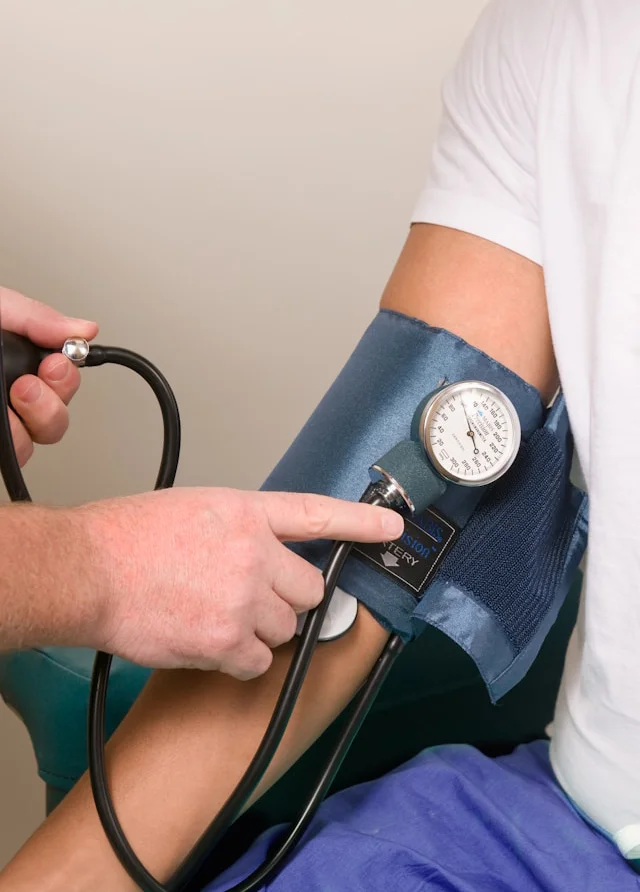

Certification depends on the complete examination, treatment history and medication effects. FMCSA advisory guidance may allow a one-year certificate for Stage 1 hypertension or a one-time three-month certificate for Stage 2 while treatment is initiated or adjusted. Neither outcome is automatic. Stage 3 calls for control before qualification; subsequent certificates may be limited to six months.
Treated hypertension generally requires at least annual certification review. A lower reading does not guarantee a two-year certificate. Read our blood-pressure certification and preparation guide for the details and sources.

FMCSA’s hypertension advisory categories use systolic and diastolic readings: Stage 1 is 140–159 systolic and/or 90–99 diastolic; Stage 2 is 160–179 and/or 100–109. At 180 systolic or 110 diastolic and above, the Stage 3 guidance advises against qualification until blood pressure is at or below 140/90 and treatment is well tolerated.
Both numbers matter. These are certification guidelines, not general clinical definitions of normal blood pressure or personal treatment targets. The examiner confirms elevated readings and assesses the full medical picture. See FMCSA’s 2024 Medical Examiner’s Handbook, section 4.6.

To manage high blood pressure, commercial drivers should make some lifestyle changes. A healthy diet is essential, including fruits, vegetables, whole grains, and lean proteins. Regular exercise for at least 150 minutes per week can also help. Maintaining a healthy weight is crucial to reduce strain on the heart. Stress management techniques like meditation, deep breathing, and yoga can help reduce stress levels.
Commercial drivers should also limit alcohol intake to no more than two drinks per day for men and one drink per day for women.
In some cases, lifestyle changes may not be enough to control high blood pressure. In these situations, healthcare providers may prescribe medication to help manage the condition. Commercial drivers should work closely with their healthcare providers to find the right medication regimen and monitor their blood pressure regularly.
It is crucial to follow the medication regimen as prescribed and report any side effects to the healthcare provider immediately. Commercial drivers should also notify their employers about their medication use and any side effects that may affect their ability to operate a vehicle safely.
If lifestyle modifications are not enough to control blood pressure, medication may be recommended. There are several classes of blood pressure medications, including diuretics, beta-blockers, calcium channel blockers, ACE inhibitors, and angiotensin II receptor blockers (ARBs).
Diuretics help the kidneys remove excess sodium and water, reducing blood volume and lowering blood pressure. Beta-blockers reduce the heart rate and workload, helping to lower blood pressure. Calcium channel blockers help relax blood vessel walls by blocking calcium from entering heart and blood vessel cells.
ACE inhibitors block the production of angiotensin II, a substance that narrows blood vessels, thus helping to lower blood pressure. ARBs block the action of angiotensin II, allowing blood vessels to widen and lower blood pressure.
A healthcare provider will work with the patient to find the most appropriate medication and dosage for their needs.

Regular monitoring of blood pressure is essential for maintaining healthy levels and identifying potential issues early. Here are some tips for effective blood pressure monitoring:
By following these tips, individuals can effectively monitor their blood pressure and take necessary steps to maintain healthy levels.
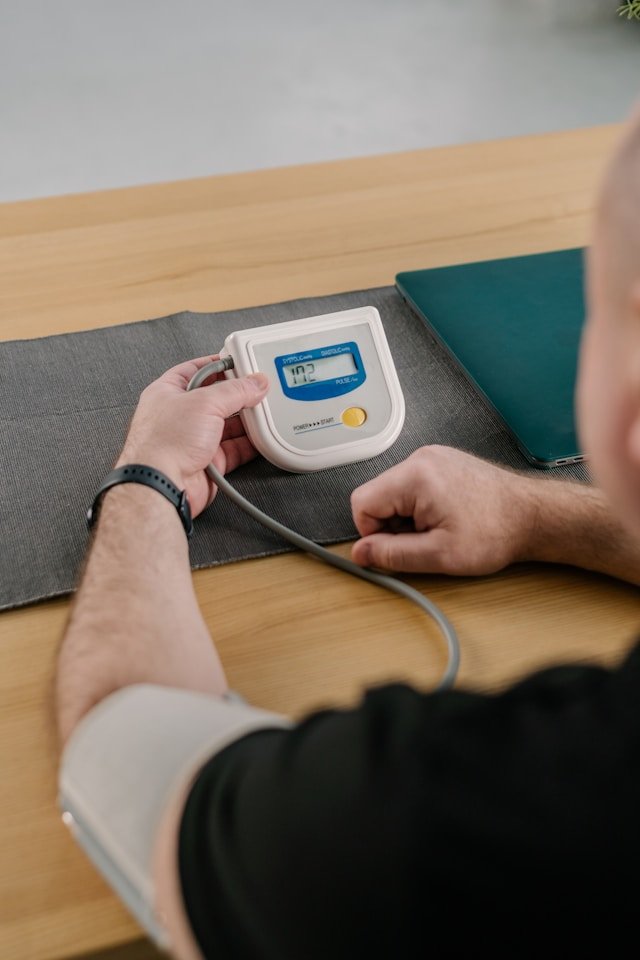
Drivers with high blood pressure can still drive as long as their blood pressure is under control and within acceptable guidelines. It is essential for drivers to work closely with their healthcare provider to manage their blood pressure and ensure it meets the requirements for a DOT physical exam.
Blood pressure is checked during the DOT examination, but the next examination may be due sooner than two years. Treated hypertension generally calls for at least annual certification review, and the findings may require a shorter interval. Ask your treating clinician how often to monitor blood pressure between examinations; follow the expiration date on your certificate.
High blood pressure can affect DOT medical certification. Depending on the examination findings, a driver may qualify for a shorter certificate or may not qualify until the condition is controlled. A temporary certificate is not available in every situation; the medical examiner makes the certification decision.
Work with your treating clinician on blood-pressure management. Preparation tips do not guarantee certification. See FMCSA’s guidance on blood pressure and certification.
For DOT physical appointments or questions at Beyond Wellness Chiropractic Center, call 704-461-1836 or email admin@beyondwellnesscc.com.
Yes. The examiner may find that high blood pressure prevents qualification, or may issue a shorter certificate when appropriate under the guidance. A reading below 140/90 is not the only possible qualification pathway, and a temporary certificate is not guaranteed. Treatment history, examination readings, medication tolerance and other conditions all matter.
The examiner assesses your medical history, vision, hearing, blood pressure, pulse and rhythm, urinalysis and physical findings against the applicable qualification standards. Qualification is not determined by a simple checklist requiring a pulse of 60–100 or a single blood-pressure number. Some conditions have specific standards or alternative qualification pathways. Read our DOT physical guide and bring the records requested for your situation.
During a DOT physical in Charlotte, a driver can expect to undergo a thorough medical examination that includes a review of their medical history, a physical examination, and various tests to assess their overall health and fitness to drive. The exam may include a vision and hearing test, a blood pressure check, a urine test, and a check of the driver’s heart, lungs, and other vital organs.
To prepare for their DOT physical in Charlotte, drivers should review the FMCSA’s medical requirements and ensure that they are in good health and meet all of the necessary criteria. Drivers should also bring any necessary medical records and medications with them to the exam, and be prepared to answer questions about their medical history and any current health conditions.
High blood pressure may shorten the medical-certification period or prevent qualification until it is controlled. The decision depends on the individual examination and treatment history. This page describes the federal interstate framework; North Carolina intrastate requirements may differ. Medical certification and the licensing state’s driver record are related but separate responsibilities.
There is no universal federal DOT pass/fail pulse range of 60–100 beats per minute. The examiner records pulse rate and rhythm and evaluates abnormal findings, symptoms, medication effects and cardiovascular conditions under the applicable standards. A reading outside that range should be assessed; it is not by itself an automatic-failure rule.