


Carpal tunnel syndrome (CTS) involves pressure on the median nerve at the wrist. Symptoms can include hand tingling, numbness, pain and difficulty gripping, often worse at night. Persistent or worsening symptoms need assessment.
Nerve compression is different from an infection. A clinical assessment helps establish whether symptoms come from CTS or another condition. Do not assume that every hand symptom has the same cause or requires the same treatment.
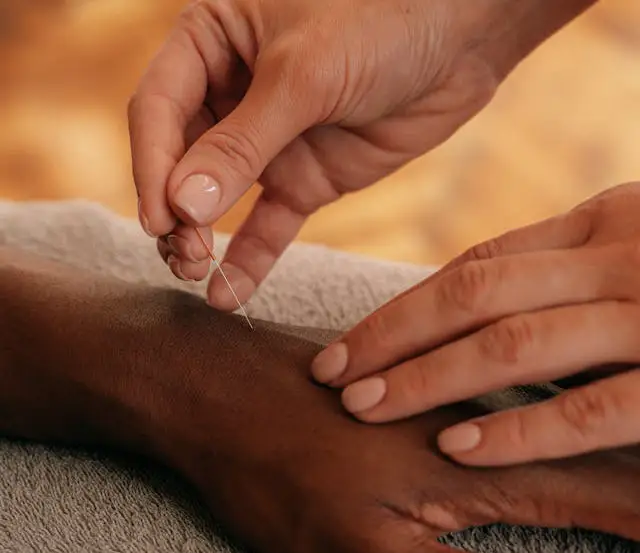
NCCIH summarizes a review finding that acupuncture may have little or no effect on CTS symptoms compared with sham acupuncture. Some individual studies report different findings, but they do not establish a guaranteed benefit or prove that acupuncture heals the brain or spinal cord.
Read the NCCIH evidence summary before deciding whether to discuss acupuncture as an additional option.
Repeated forceful gripping or wrist bending can contribute to risk, but CTS is not explained by keyboard finger placement alone. Pregnancy, certain medical conditions and previous wrist injury can also be relevant. Review your history and work activities with the clinician evaluating your symptoms.
Acupuncture should not be advertised as providing proven relief at the first visit or as requiring constant visits to maintain circulation. If you choose to discuss it, ask about evidence, adverse effects, costs and a clear point for reviewing whether it is helping.
Traditional descriptions involving meridians or energy balance are not proof that pressure on the median nerve has been relieved. Ongoing symptoms should be reassessed rather than attributed automatically to blocked energy.
Depending on severity, care may include a night wrist splint, changes to aggravating activities, steroid injection or specialist assessment for surgery. A clinician can explain which options fit your situation. See the NHS overview of carpal tunnel syndrome.
Ask what each option aims to achieve, how long a trial should last and which symptoms should prompt an earlier review. Complementary treatment should not postpone necessary specialist care.
Discuss wrist position, splint fit and activities that aggravate symptoms with your clinician. Avoid treating a general website exercise or cold-pack schedule as a personalized prescription. Ask for clear instructions that account for your sensation, skin health and other medical conditions.
Evidence for hand exercises is limited. A clinician or hand therapist can advise whether exercises are appropriate and demonstrate technique. Seek reassessment when symptoms worsen or do not improve.
For general appointment questions, contact Beyond Wellness at 704-461-1836 or admin@beyondwellnesscc.com.