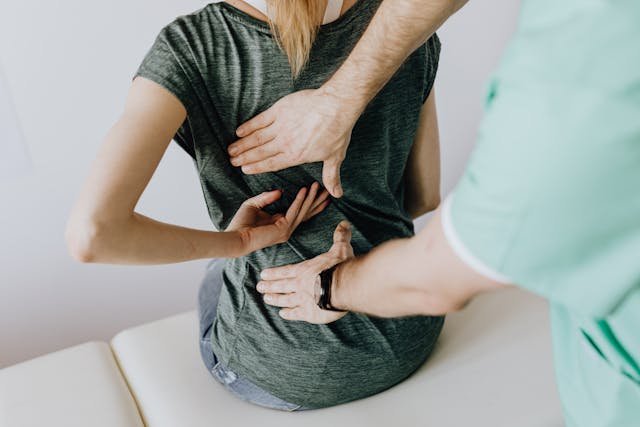

If you’re experiencing back spasms, it’s important to understand what causes them and how to find relief.
Back spasms are involuntary muscle contractions that can be caused by a variety of factors, including spinal traumas, poor posture, sports injuries, and degenerative spine disorders. In this section, we’ll explore the common causes of back spasms and how a chiropractor can help relieve your discomfort.
Back spasms are often a warning signal from your body that something needs to change. Here are some of the most common causes:
Assessment can help guide treatment and activity advice. Discuss recurring spasms with a healthcare professional rather than assuming the same cause each time.
Persistent or recurring back spasms deserve assessment. A clinician can review your symptoms and health history and discuss suitable options, which may include activity advice, exercise or manual therapy. A back spasm alone does not establish a spinal alignment problem or prove that a nerve is compressed.
Seek urgent medical assessment for severe pain that starts suddenly or worsens quickly, or back pain with fever or feeling unwell. Call 911 or seek emergency care for back pain with new weakness or numbness in both legs, loss of feeling around the genitals or anus, bladder or bowel changes, chest pain, or after a serious accident. See NHS back-pain guidance.

The duration varies depending on the severity of the spasm and the underlying cause. In some cases, the spasms may last for a few seconds or minutes, while in other cases, they can last for several hours or even days. It is important to seek medical attention if you experience severe or prolonged spasms.
Spasms on the right side can be caused by a variety of factors, including muscle strain, injury, poor posture, or underlying medical conditions such as herniated discs or spinal stenosis. It is important to consult with a healthcare professional to determine the underlying cause of your spasms.
Keep gently active as tolerated rather than spending long periods in bed. Wrapped heat or cold packs may help symptoms. Ask a pharmacist or clinician which medicines are suitable for you, and have severe or persistent pain assessed.
Some recommended stretches include the knee-to-chest stretch, the cat-cow stretch, and the child’s pose stretch. These stretches can help to loosen tight muscles and improve flexibility in the back. It is important to consult with a healthcare professional before starting any new exercise or stretching routine.
Back spasms on the left side can be caused by similar factors as those on the right side, including muscle strain, injury, poor posture, or underlying medical conditions. It is important to seek medical attention to determine the underlying cause.
Treatment depends on the cause, your examination and how symptoms affect you. Ask your clinician about appropriate activity, exercises and pain relief. Specialist procedures are decisions for a diagnosed condition, not an automatic next step for a muscle spasm.